By the time January reaches its final weeks, most horse owners are feeling the full force of winter. Fields are saturated, gateways are churned up, and persistent rain makes even the simplest jobs feel harder than they should be.
Late January is often the most challenging point of the season. Spring still feels a long way off, yet horses have already endured weeks of wet, cold conditions. A little extra care now can go a long way in keeping them comfortable, healthy and ready for the months ahead.
Managing Mud and Turnout in Wet Conditions
Mud is unavoidable at this time of year, but thoughtful turnout management can reduce the risk of skin issues and joint strain.
Where possible, rotating paddocks helps protect grazing and limits deep standing mud. If turnout is restricted, gentle exercise such as hand walking or arena time still supports circulation and mobility without hours in wet ground.
Daily leg checks are essential. Mud hides small cuts and early signs of mud fever, so taking the time to inspect and clean legs properly can prevent more serious problems later on.
Protecting Legs From Mud Fever
Wet winter weather creates the perfect conditions for mud fever, particularly in late January when skin has been exposed for weeks.
Avoid excessive washing, which strips natural oils and leaves skin vulnerable. Instead, allow mud to dry before gently brushing it away. Applying a protective barrier cream can help repel moisture and bacteria.
For horses with feathers, keeping them clean and dry is key. Horses without feathers may benefit from turnout boots in particularly muddy fields.
A waterproof, breathable turnout rug is essential during prolonged wet spells. Even hardy horses can struggle to regulate their temperature if they are constantly damp.
Check rugs regularly for leaks, slipping or rubbing. A rug that looks fine on the outside may still be letting water in. Layering rugs can be useful during fluctuating temperatures, allowing you to adapt warmth without sacrificing waterproofing.
Wet weather often means increased time indoors, which makes stable management even more important.
Ensure good ventilation to reduce moisture and ammonia build-up. Dry, supportive bedding helps keep joints comfortable and reduces the risk of skin problems caused by prolonged dampness.
Feet need daily attention at this time of year. Picking out hooves and checking for signs of thrush should be part of every winter routine.
Horses burn more energy keeping warm in cold, wet weather, even when rugged. Late January is a good time to reassess body condition.
Plenty of forage supports warmth from the inside out. If your horse is dropping weight, gradual feed adjustments can help, but sudden changes should always be avoided.
Running your hands over your horse regularly gives a far more accurate picture than judging condition under layers of rugs.
Supporting Yourself Through Winter Yard Life
Late January can be tough for owners too. Dark mornings, wet weather and muddy yards take their toll.
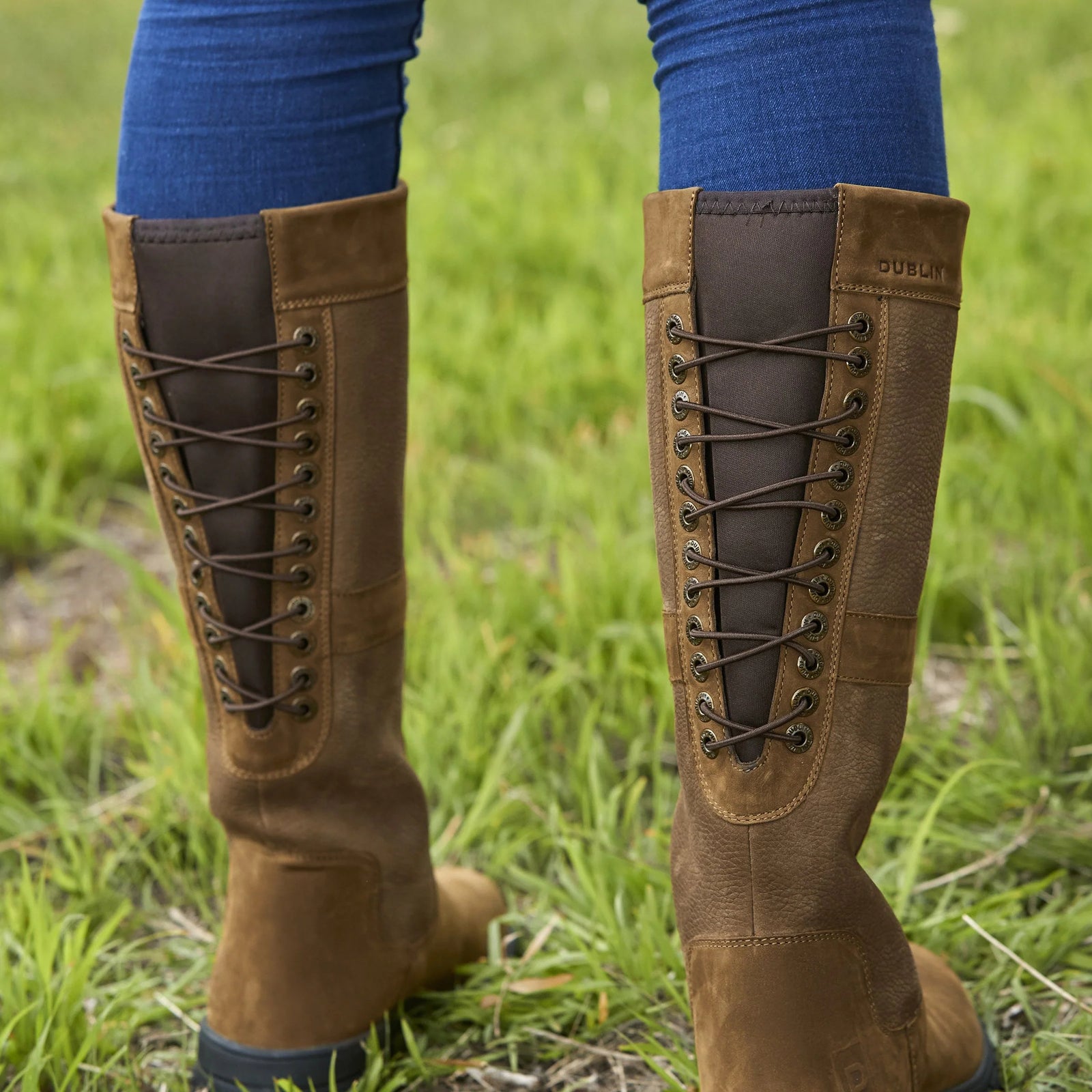
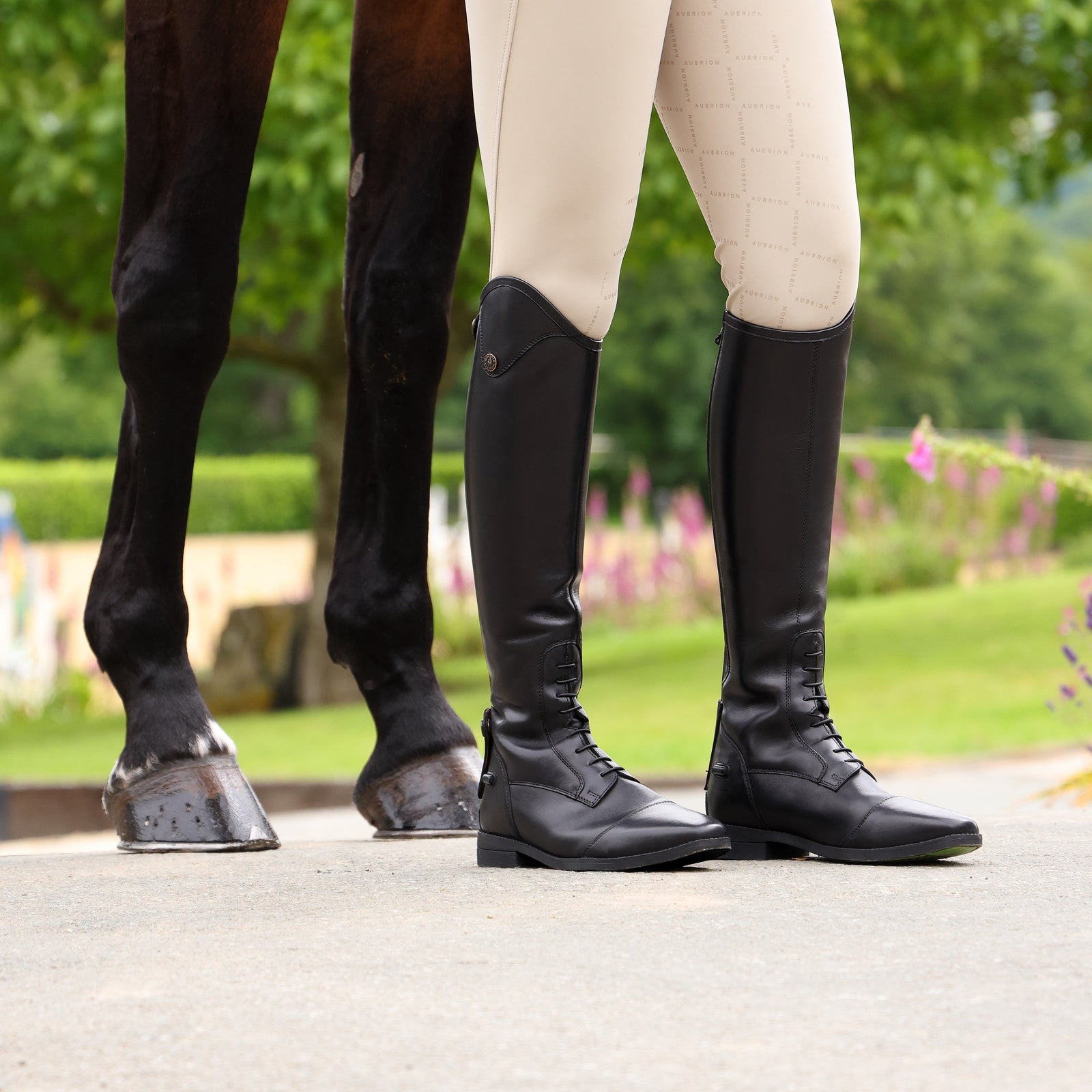
Having the right equipment on hand makes daily routines quicker, safer and far less frustrating. Investing in reliable winter essentials now can prevent problems and save time as the season drags on.
Getting Ready for the Final Stretch of Winter
While spring may still feel distant, the end of January marks the final push. Staying on top of leg care, rug checks and stable management now helps your horse stay healthy and comfortable right through to better weather.
Explore our full range of winter horse care essentials to make the wet weather easier to manage — for both you and your horse.